Do You Need an RFID-Blocking Wallet? What It Does and Doesn't Protect
Updated October 2026. We sell RFID-blocking wallets, so we have an interest here. This guide is written to be straight with you about what blocking does and doesn't do.
"RFID blocking" is printed on almost every slim wallet sold today. The idea is that criminals can walk past you with a scanner and steal your card details through your pocket. The reality is more nuanced: for modern payment cards the risk is low, but blocking can still matter for some other cards you carry.
What RFID and NFC are
RFID (radio-frequency identification) is a family of technologies that let a reader pick up information from a chip by radio, without contact. Contactless payment cards and phone wallets use a short-range form of it called NFC (near-field communication). Many office access badges, hotel keys, transit cards and some ID cards also use RFID.
Can someone skim your contactless credit card?
In theory, a reader held close enough to your card can talk to it. In practice, a few things make this a poor way for criminals to steal money:
- Very short range. Contactless payment cards work over a few centimeters. Someone can't read your card by walking past you in the street.
- One-time codes. Each contactless transaction generates a one-time code. Data captured from one tap can't simply be replayed to make new purchases.
- Limited data. Your name and the security code printed on the back aren't sent in a contactless transaction.
- Fraud protection. Card issuers monitor for unusual activity, and unauthorized charges are generally refunded.
AARP's 2026 look at the question quotes Visa describing this kind of fraud as "very unlikely and limited in scope." Data breaches, phishing and card skimmers fitted to ATMs and gas pumps are far more common ways card details get stolen.
Where blocking can still help
- Older access badges. Many office and building badges use older low-frequency (125 kHz) "prox" technology with no encryption. Security researchers have shown for years that these can be copied with inexpensive hardware. If your work badge lives in your wallet, shielding it is reasonable.
- Some ID and transit cards. Security varies widely by issuer. Blocking keeps them from being read when you don't intend it.
- Accidental taps. A shielded wallet stops the wrong card being charged when you hold your wallet near a payment terminal or transit gate.
- Peace of mind. It costs nothing extra in a metal wallet, because the metal itself does the blocking.
What RFID blocking doesn't protect against
- Data breaches at stores or online services
- Phishing emails, texts and fake websites
- Card skimmers attached to ATMs, gas pumps and payment terminals
- Someone photographing or copying your card
- Your phone's wallet (Apple Pay, Google Pay), which has its own security
For those, the usual advice applies: turn on transaction alerts, check statements, use unique passwords, and pay by phone or tap rather than swiping where you can.
How metal wallets block RFID
Radio signals at these frequencies don't pass easily through metal. Aluminum plates between a reader and your cards stop the reader powering up and talking to the chip. That's why most metal wallets, including ours, block RFID by design rather than with an added lining.
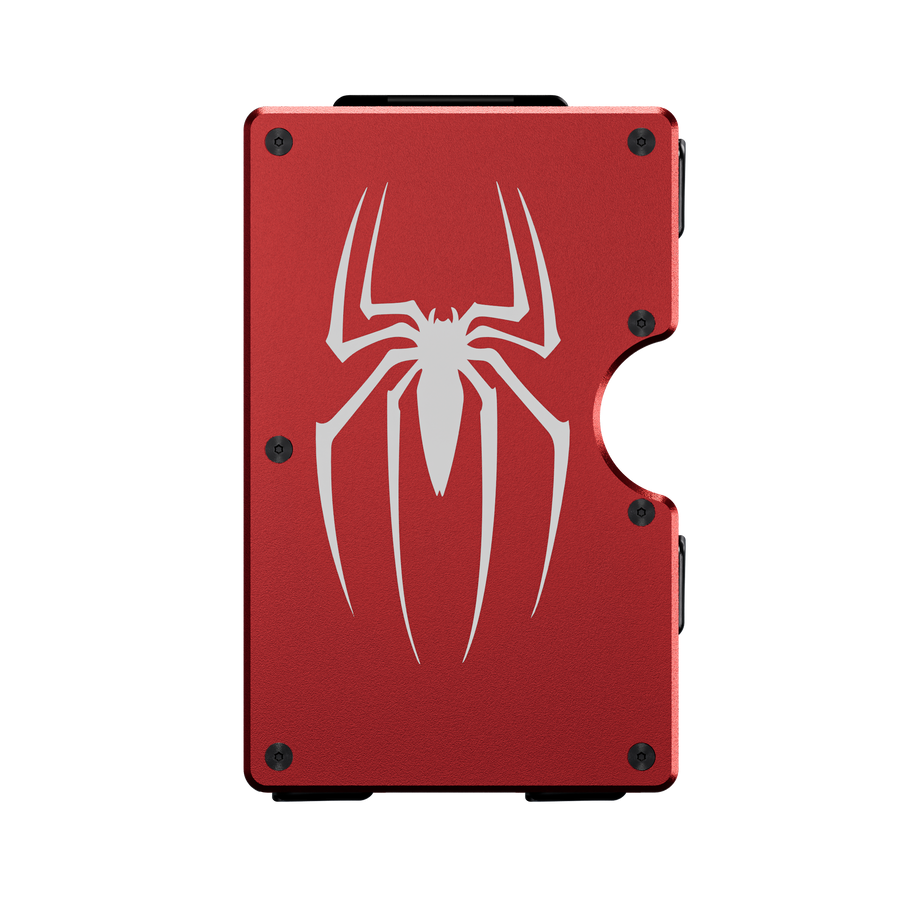
Our wallets use two 6061 aluminum plates joined by stainless steel hinges. Cards sit between the plates, which block RFID skimming of contactless cards and ID cards. To pay, take the card out, or use your phone.
So, do you need an RFID-blocking wallet?
For your credit and debit cards alone, probably not; the risk is low and well covered by your bank. If you also carry an access badge, a transit card or an ID card in your wallet, blocking is a sensible, free extra. It's a good reason to choose a metal wallet, but it shouldn't be the only one. For the other reasons to choose metal (and where leather is better), see metal wallet vs leather wallet.
Questions
Do RFID-blocking wallets interfere with my phone?
No. They only shield what's inside them. Keep your phone outside the wallet to use its wallet app.
Do I need to block RFID on my passport?
US passport books include a chip, and the State Department builds anti-skimming material into the front cover. A blocking sleeve is optional extra protection for travel.
How do I know if my card is contactless?
Look for the contactless symbol: four curved lines, like a sideways Wi-Fi sign, on the front or back of the card.
Will a metal wallet demagnetize my cards?
No. Aluminum isn't magnetic, and chip cards don't rely on the magnetic stripe for most payments.
See our RFID-blocking metal wallets
Sources: AARP, "Do You Really Need an RFID-Blocking Wallet?" (May 2026); SlashGear, "Are RFID-Blocking Wallets Still Needed Or Useful In 2026?"; Krebs on Security, "How Secure is Your Security Badge?"; Federal Register, Electronic Passport final rule (2005)